Paver Patio Cost in Wellesley, MA: 2026 Pricing Guide
An honest breakdown of what paver patios cost in Wellesley in 2026, and the base-building choices that make the price worth it.
By the Inova Outdoor Living Experts team
Key takeaways
- Wellesley paver patios typically run $12–$29 per square foot depending on base depth, material, and site access.
- Base depth and compaction — not the pavers themselves — is the biggest factor in whether a patio lasts through New England winters.
- Edge restraint type and drainage design belong in every quote; ask for specifics before comparing prices.
- Larger projects ($20K+) are often financed rather than paid in cash — get the numbers before you fall for the lowest bid.
If you have started collecting quotes for a paver patio cost in Wellesley MA, you have probably already noticed the numbers swing wildly from one estimate to the next. Part of that is normal — patios come in every size and shape — but a lot of it comes down to what is happening 12 inches below the pavers, where nobody but your contractor ever looks.
We build paver patios across Wellesley and the surrounding towns, and the question we hear most on a first call is simply "what's this going to cost." The honest answer is a range, because square footage, base depth, paver material, drainage, and site access all move the number independently. This guide walks through each variable so you can read a quote intelligently instead of just comparing bottom-line totals.
We will also cover why the cheapest bid is often the most expensive one in year three, once freeze-thaw cycles find the shortcuts.
The Real Range: What Wellesley Homeowners Pay
Across our current project mix, a properly built paver patio in Wellesley runs roughly $12 to $29 per square foot, installed. A modest 300-square-foot patio off a kitchen slider lands toward the lower-middle of that band; a large multi-level patio with a seat wall, curved edges, or a fire pit built in pushes toward the top. Concrete pavers sit at the lower end of the range, while natural stone or tumbled/antiqued pavers with tighter joint patterns cost more in both material and labor.
That range assumes a full base rebuild done correctly for our climate — it is not a price for pavers laid over compacted screenings on top of existing soil, which some lower bids quietly are.
What Actually Drives the Price
- Excavation depth and soil type — Wellesley's glacial till compacts unevenly, so a proper base often means excavating 8–10 inches, not the 4–5 inches a shortcut installer might dig.
- Base material — a compacted crushed-stone base with a bedding layer of sand or stone dust costs more upfront than skimping on gravel, but it is the single biggest factor in whether your patio survives freeze-thaw.
- Drainage design — patios that pitch away from the house and tie into a discharge point cost more to engineer than a flat slab, but prevent the standing water that erodes joints. On tighter lots, that discharge point sometimes needs a dedicated drainage solutions fix rather than a simple pitch, which is worth raising before the base goes in.
- Paver material and pattern — running-bond concrete pavers are the most economical; herringbone patterns, multi-size blends, and natural bluestone or granite cost more in labor and material.
- Site access — a backyard reachable only by wheelbarrow through a side gate costs more in labor hours than a patio a skid steer can reach directly.
- Add-ons — seat walls, fire pits, step transitions, and lighting are priced separately and can meaningfully change the total.
A quick gut-check on any quote
Ask every bidder the same question: "How deep is the excavation, and what's the compacted base depth in inches?" If an installer cannot answer specifically, the number on the page is not comparable to one that spells out a proper base — even if it looks cheaper today.
Why Base Depth Is the Line Item That Matters Most
Massachusetts has a frost line around 48 inches, and while no patio base goes that deep, the shallower and less compacted the base, the more it will heave and settle as the ground freezes and thaws each winter. A patio built on a thin base looks identical to a properly built one on installation day. The difference shows up two or three winters later as sunken pavers, wide gaps, and edges that trip. If you want the mechanics of why this happens, we cover it in more depth in our piece on why freeze-thaw cycles destroy MA hardscape.
Comparing Quotes: Apples to Apples
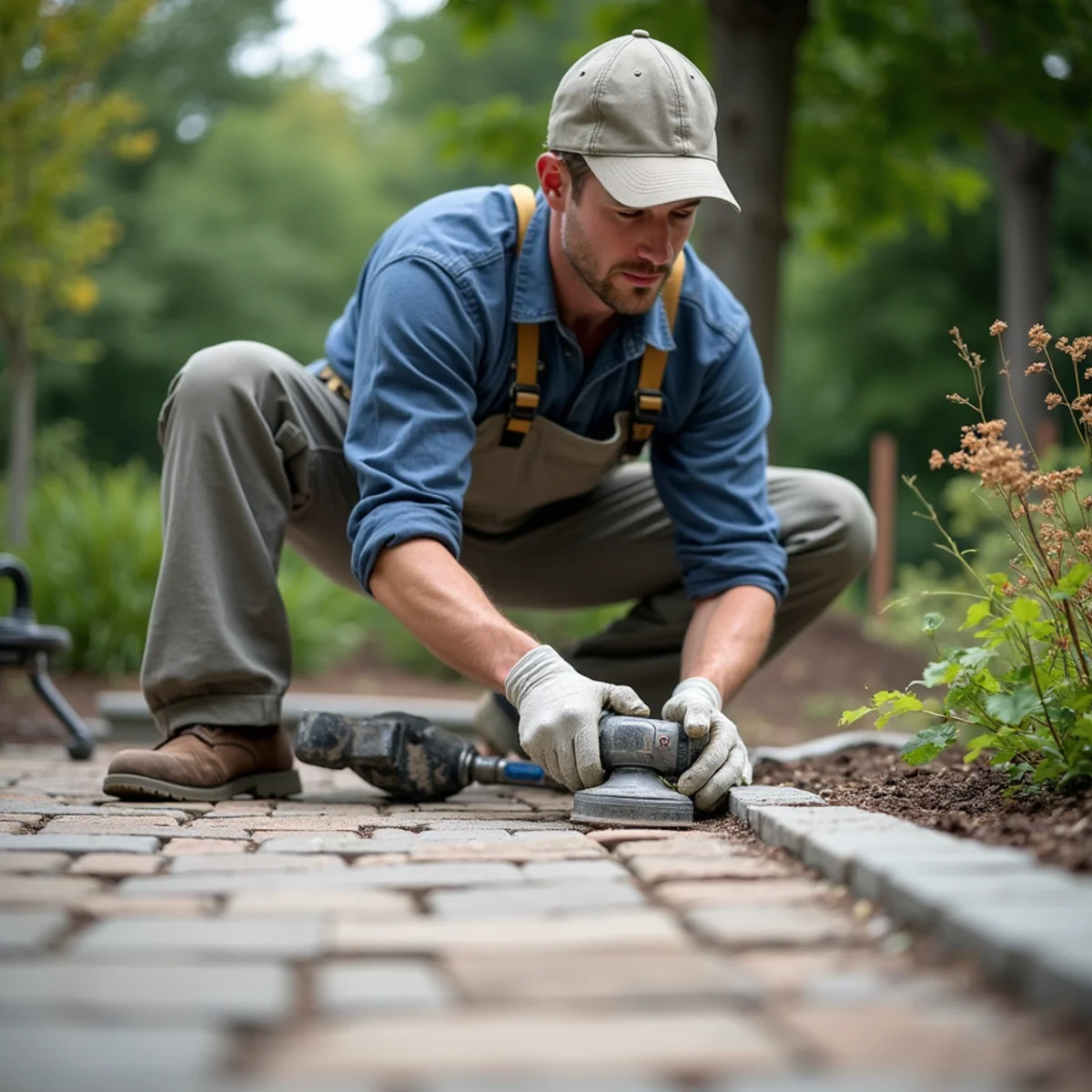
When quotes vary by thousands of dollars for what looks like the same patio, the gap almost always lives in base depth, edge restraint, and drainage — not in the pavers themselves, which are commodity-priced. A patio with steel or concrete edge restraint holds its lines for decades; a patio edged in plastic stakes alone tends to creep outward within a few seasons, especially once lawn irrigation or snowplow overspray softens the soil beside it.
- Confirm excavation and compacted base depth in writing.
- Ask whether the quote includes edge restraint, and what type.
- Ask how the patio is pitched and where water discharges.
- Confirm paver manufacturer and product line, not just "concrete pavers."
- Ask what the workmanship warranty covers, and for how long.
Financing a Larger Patio Project
For patios that climb into the $20,000–$40,000+ range once seat walls and outdoor living features are added, most Wellesley homeowners either pay from savings or use a home-improvement financing partner rather than a home equity line. If you are weighing that decision, our guide to financing a $50K+ backyard project walks through the common options in more detail.
A patio is only as good as the eight inches nobody sees. Everything above that is finish work.
Getting an Accurate Estimate
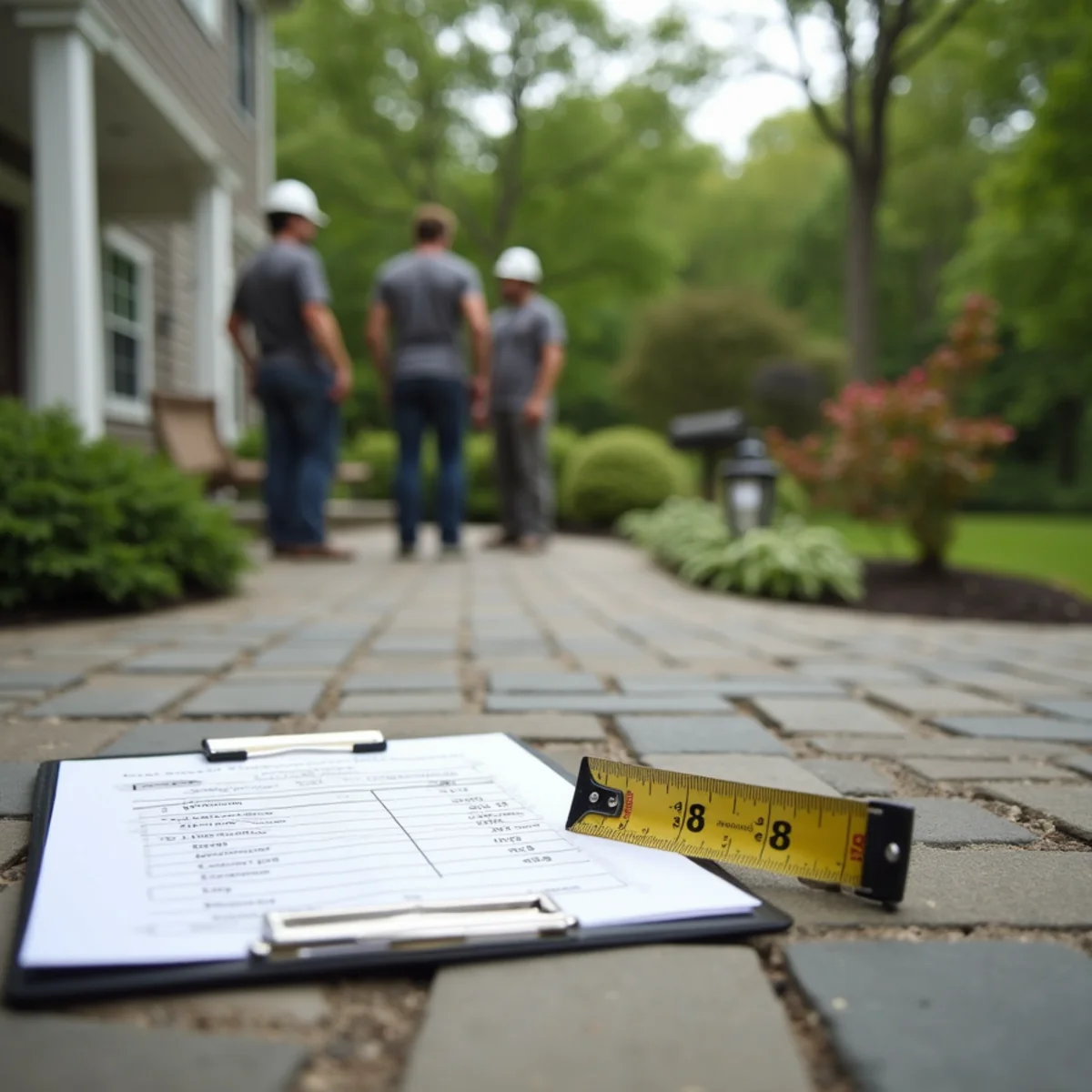
Because Wellesley lots vary so much — some flat and open, some sloped toward Fuller Brook or tucked behind mature stone walls — the only way to get a number you can actually plan around is a site visit. We measure the space, check drainage, and talk through paver options before putting a range in writing, and we typically turn around a written estimate within 48 hours of that visit.
What a Contractor Actually Checks During That Site Visit
A real estimate visit is more than a tape measure and a handshake. We probe the existing soil with a shovel in a couple of spots to get a sense of how much organic material sits above the glacial till, since a patio going over a former garden bed needs deeper excavation than one going over compacted lawn. We also check where downspouts discharge relative to the proposed patio footprint, note any grade change across the space, and look at access — whether a mini excavator and skid steer can reach the work area or whether material has to be wheelbarrowed in, which changes both the timeline and the labor cost. None of that shows up in a square-footage number alone, which is exactly why two contractors who walk the same yard can land on noticeably different quotes.
Request a free paver patio estimate for your Wellesley property and get a written, itemized quote — no pressure, no surprise change orders.