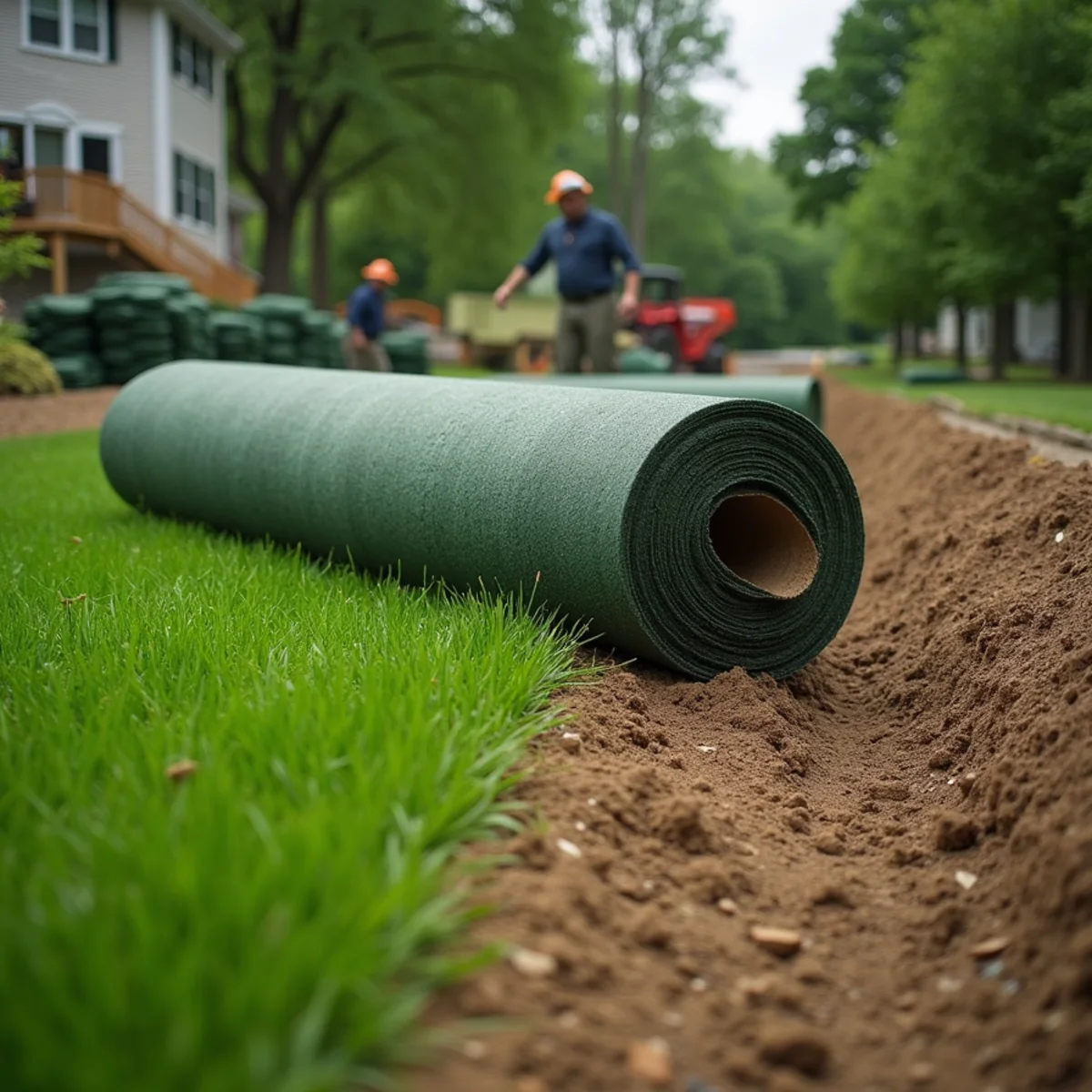
Problem-Solving8 min read
Sod vs. Seed: The Best Way to a New Lawn in Massachusetts
The real tradeoffs between sod and seed for a new Massachusetts lawn, and why timing matters as much as the method.

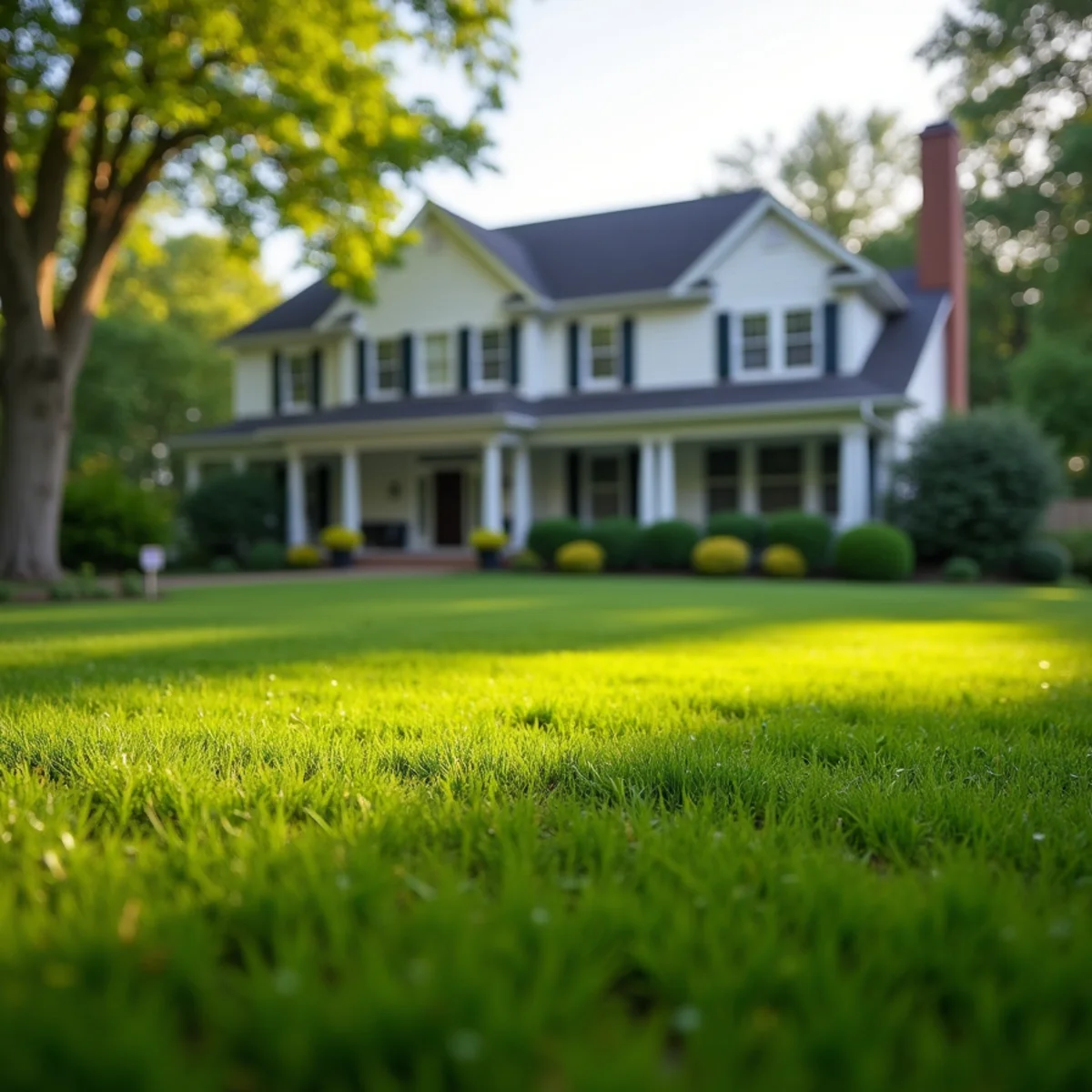
A properly graded, loamed lawn that establishes instead of struggling
A new lawn lives or dies on the prep work underneath it, not the sod or seed itself. We install lawns in Wellesley, MA the way we approach every project, grading first, then loam, then the right seed or sod for the site, because glacial till soil common across MetroWest compacts and drains unevenly, and simply laying sod over unprepared, compacted subsoil is one of the most common reasons a "new lawn" thins out and fails within a year. Compaction shows up most obviously along the edges of a new driveway or patio, where heavy equipment traffic during another project can leave subsoil packed hard enough that water simply sheets off instead of soaking in.
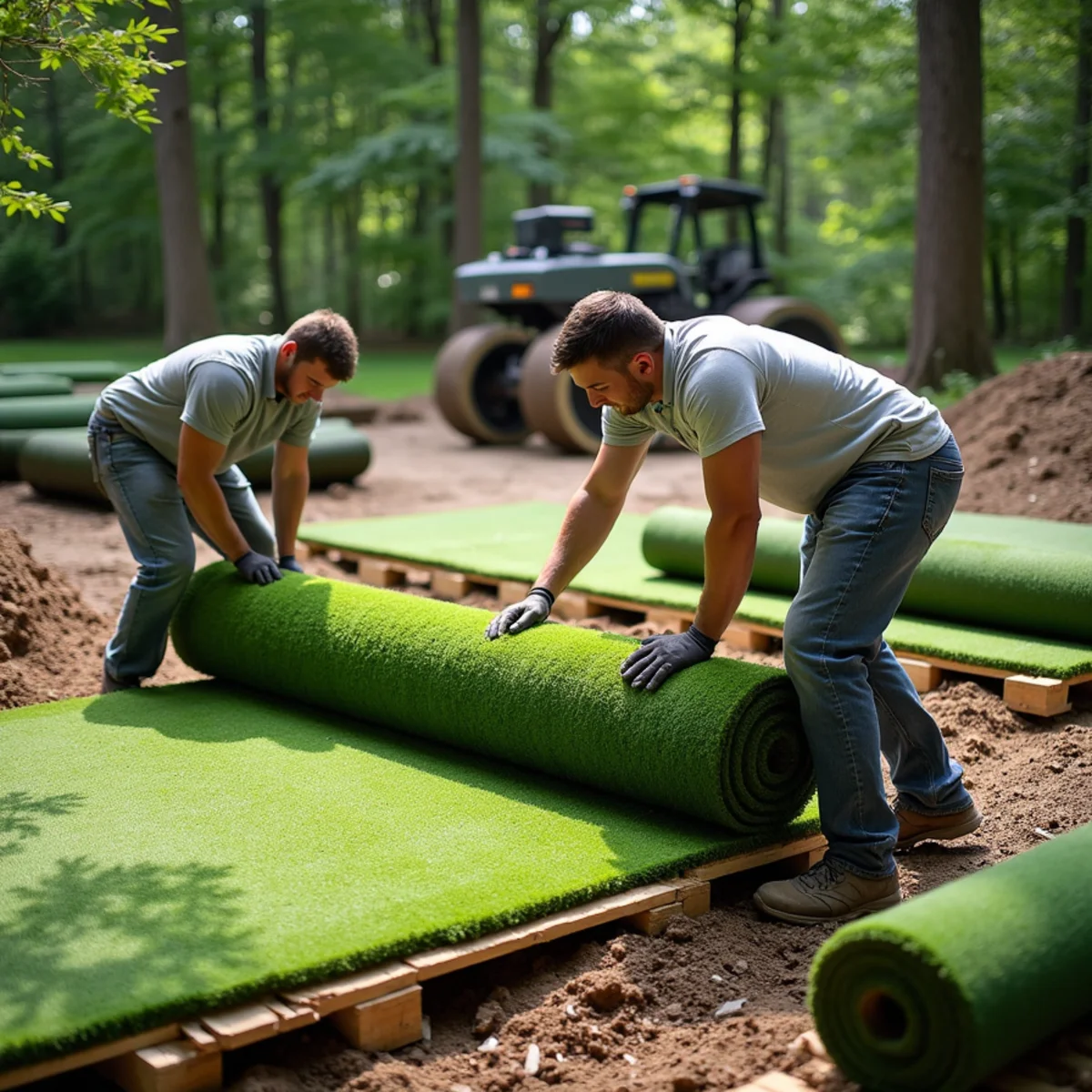
Sod gives an instant, usable lawn, which matters for families who cannot have a construction-zone yard for a full growing season, new construction, post-renovation cleanup, or a patio project that leaves bare soil behind. Seed costs less and, when timed to the right window, establishes into a resilient lawn, but it needs patience and consistent watering during establishment. We will tell you honestly which approach fits your timeline, budget, and site rather than defaulting to whichever is more profitable for us.
Either way, the lawn only performs as well as the grading and soil beneath it. We correct drainage and pitch before any loam or sod goes down, so you are not paying for a beautiful lawn sitting on top of the same wet, compacted problem that likely caused the old one to struggle. On sites where the old lawn was healthy in some areas and failing in others, we sometimes recommend overseeding or spot-sodding just the failing sections rather than tearing out grass that is already doing fine.
Ready to transform your outdoor space?
Calls answered Mon–Fri 9–5 · Free estimates within 48 hours. Insured, financing available, and free on-site estimates across Wellesley & MetroWest.
Usually a sign of compacted or poor soil, inadequate sunlight, or drainage problems rather than simply needing more seed. We diagnose the actual cause before recommending sod or seed. Simply overseeding a compacted area without correcting the underlying soil rarely fixes the problem for more than a season.
Low spots and compacted glacial till hold water at the surface, which suffocates grass roots and creates ideal conditions for moss and weeds instead of turf.
New builds, additions, and hardscape projects commonly leave compacted, subsoil-exposed areas that need real grading and loam before any lawn will take.
Sod or seed laid directly over hard-packed dirt or construction debris rarely establishes a deep root system, leading to a lawn that looks fine briefly and then fails.
Shallow-rooted turf, often the result of thin loam or infrequent deep watering during establishment, survives a wet spring and then struggles the moment a dry summer stretch hits. Root depth at establishment matters more than most homeowners realize.
We evaluate existing soil, drainage, sun exposure, and current turf condition to determine what grading and soil work the site actually needs. On sites coming out of construction, we also check for buried debris, scrap lumber, stray concrete, left under a thin layer of fill, since that debris eventually works its way to the surface or creates a dead patch.
We correct low spots and pitch the site to shed water properly before any topsoil or sod goes down, addressing the root cause instead of masking it.
Quality loam is spread and graded to the depth the site needs, giving new grass roots the growing medium the underlying subsoil cannot provide on its own.
Sod is laid tight with staggered seams for a seamless, immediate lawn; seed is spread at the appropriate rate and timed to the optimal regional window when that is the chosen approach.
New sod is rolled for good soil contact and watered thoroughly at installation; seeded areas are covered or mulched as needed to hold moisture during germination.
We walk you through a watering schedule for the establishment period and mowing height guidance once the lawn is ready for its first cut.
We never quote from a photo. Every estimate is a written, itemized scope after an on-site assessment — here's what moves the number up or down:
Sod versus seed
Sod costs more up front for an instant lawn; seed costs less but takes weeks to establish. General MA benchmarks for a new lawn run roughly $1 to $4 per square foot depending on approach and site prep needed.
Grading and drainage work required
A site with real drainage problems needs more extensive regrading before loam and sod, which adds cost but is what makes the lawn actually last.
Amount of loam needed
Sites with thin or poor existing topsoil need a deeper loam layer than sites with reasonably good soil already in place.
Square footage and site access
Larger lawns and sites with limited machine access (fenced backyards, tight side yards) affect both material delivery and labor time.
Irrigation readiness
A lawn going in without an existing irrigation system needs a realistic hand-watering plan during establishment, or the addition of irrigation, both of which factor into project scope and timeline.
We treat a new lawn as a grading and drainage project first and a planting project second, because that order is what determines whether the lawn actually lasts. Glacial till across MetroWest does not drain evenly, and skipping the grading step to save a day of labor is exactly how a "new lawn" ends up thin and patchy within a year.
We are insured, offer free estimates typically scheduled within 48 hours, and can time seed installations to the strongest regional window, roughly the third week of August through the third week of September for cool-season lawns, when that approach fits your schedule. If your project also involves a fence to keep pets contained or new plantings, our fence installation and landscaping services teams can coordinate the work in one visit.
We install lawns and sod beyond Wellesley in Framingham, Ashland, Hopkinton, Southborough, and Westborough, towns where new construction and post-renovation grading make up a steady share of our lawn work. Site assessments are free and typically scheduled within 48 hours, we're insured, and we can time seed installations to the strongest regional window when that fits your project. Crews communicate in Portuguese and Spanish as well as English on every crew we send out.
Full-yard landscape master plans covering grading, plantings, and hardscape, designed so each phase you build fits the next.
Learn moreFrench drains, regrading, and downspout solutions engineered to move water away from your foundation and hardscape for good.
Learn morePrivacy, deer, and boundary fencing set on properly frost-depth posts, built to stay straight and functional through Massachusetts winters.
Learn moreThe real tradeoffs between sod and seed for a new Massachusetts lawn, and why timing matters as much as the method.
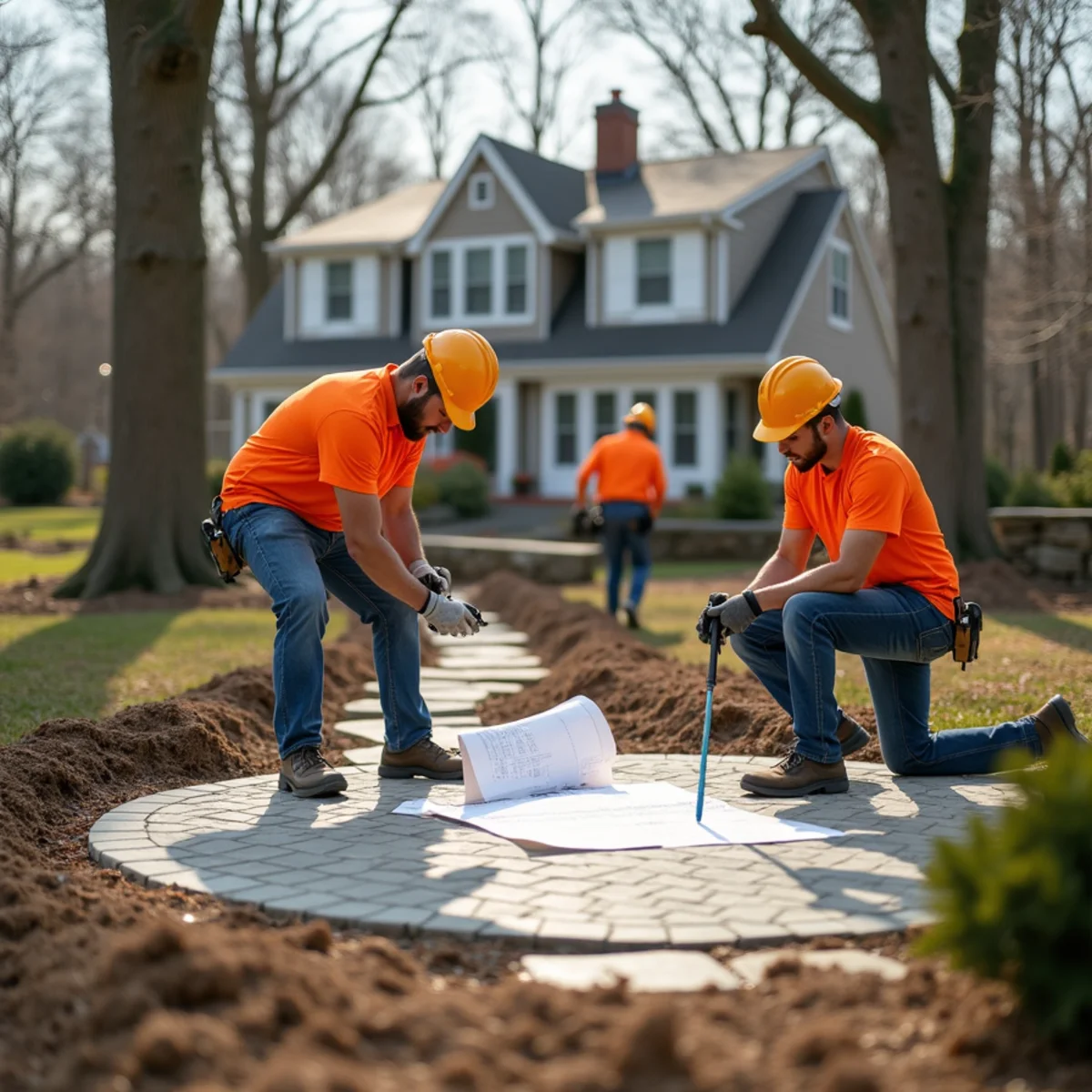
Why the smartest time to start a spring patio project in MetroWest MA is months before the first warm weekend.
Calls answered Mon–Fri 9–5 · Free estimates within 48 hours. Insured, financing available, and free on-site estimates across Wellesley & MetroWest.
Falamos Português · Se Habla Español