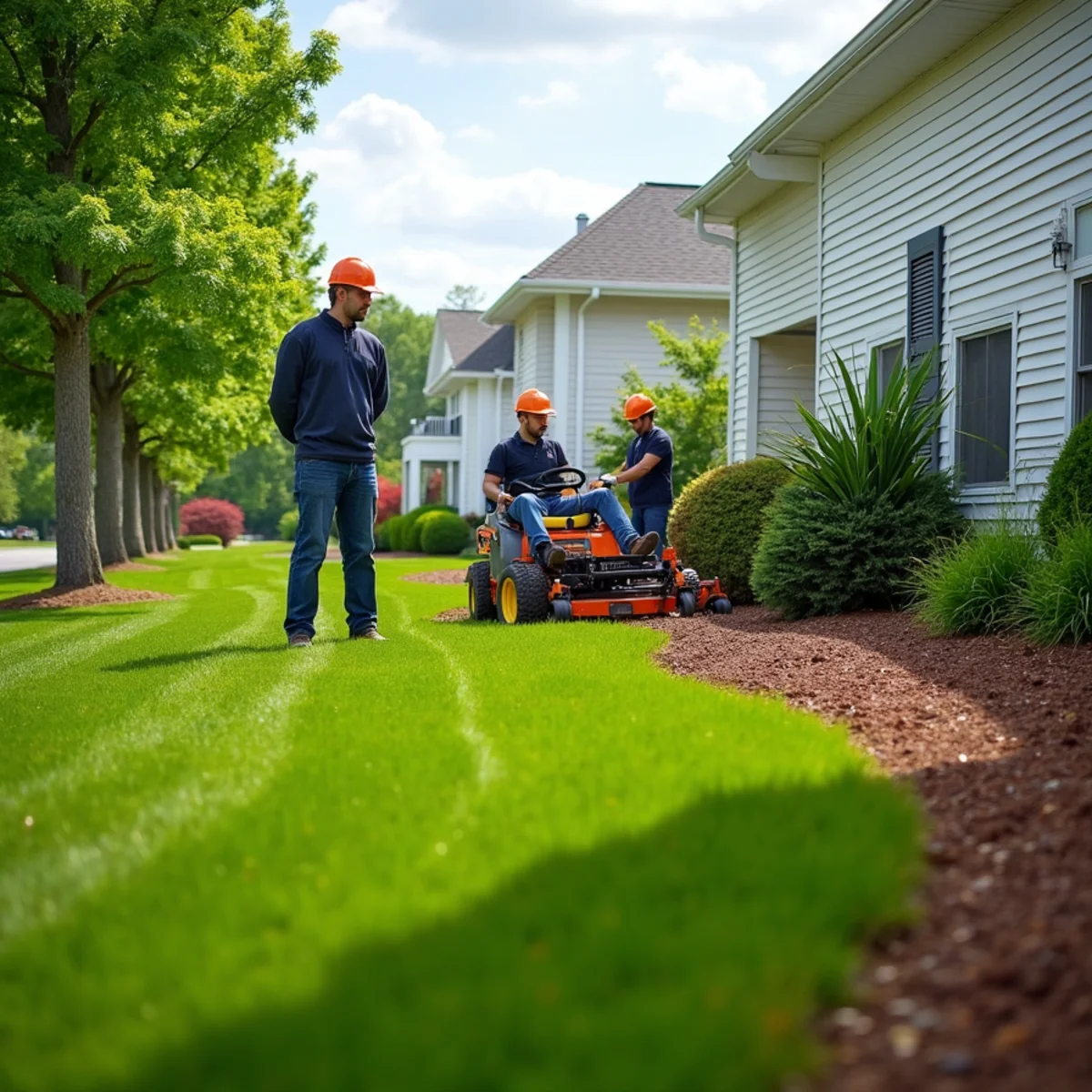
Annual Hardscape Maintenance: Re-Sanding, Sealing & Repointing Checklist
A practical annual maintenance checklist for Massachusetts patios and walls — joint sand, sealing, and repointing on the right schedule.
By the Inova Outdoor Living Experts team
Key takeaways
- Joint sand typically needs topping off every 2–5 years depending on traffic and weather exposure.
- Sealing pavers and natural stone every 2–4 years protects color and resists staining, and is optional rather than mandatory.
- Cracked or crumbling mortar joints should be repointed early — deferred, they let water in and accelerate structural damage.
- A simple spring-through-fall annual schedule catches most issues while they're still inexpensive maintenance, not repairs.
A well-built patio or wall doesn't need much, but it isn't entirely maintenance-free either — and homeowners searching for a hardscape maintenance checklist MA climate actually calls for are usually surprised by how simple the routine is once you know what to check and when. A little consistent attention each year adds meaningfully to how long a patio, walkway, or wall looks and performs like new.
We handle this maintenance work through our spring hardscape repair service, and most of what follows is preventive — catching small issues before a Massachusetts winter turns them into bigger ones.
Joint Sand: What to Check and When
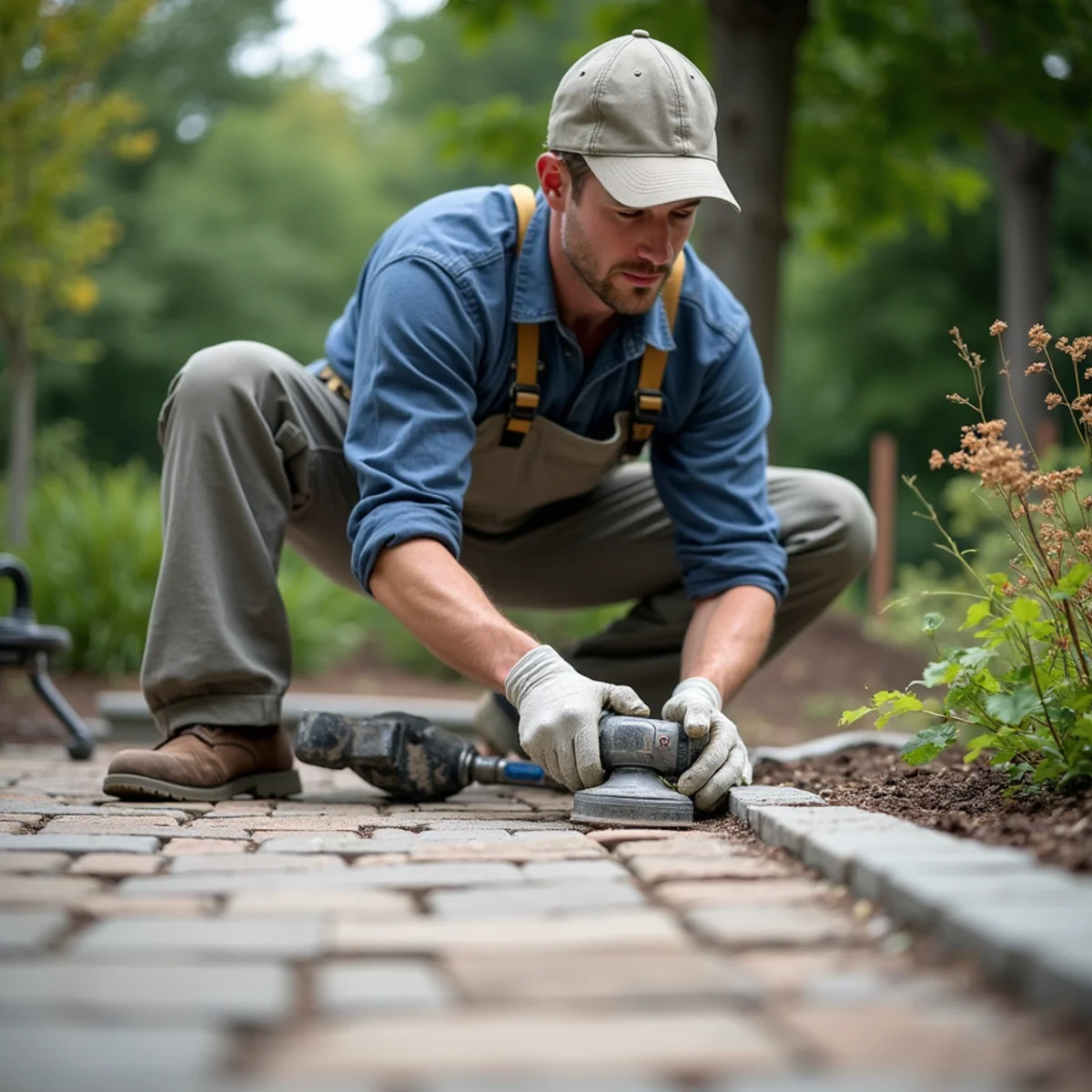
Polymeric sand in paver joints locks pavers in place, resists weed growth, and keeps water from washing out the bedding layer underneath. Over time — usually two to five years depending on traffic, weather, and the original sand quality — joint sand erodes from foot traffic, snow shoveling, and repeated freeze-thaw cycles, and needs to be topped off. Check joints each spring: if you can see more than a shallow gap, or if weeds are establishing in the joints, it's time to clean out the old material and re-sand.
Sealing: How Often, and Why It Matters
- Concrete pavers: typically every 2–4 years, depending on the sealer product and sun/traffic exposure; sealing protects color, resists staining, and can help lock joint sand in place.
- Natural stone (bluestone, fieldstone caps): often benefits from sealing to reduce staining from leaves, tannins, and organic debris, on roughly a similar 2–4 year cycle depending on the stone's porosity.
- Concrete surfaces: sealing helps resist the surface scaling that road salt and repeated freeze-thaw cycles can cause over time.
- Skip sealing on surfaces where you want a natural aging patina rather than a maintained, uniform look — it's a choice, not an obligation.
Repointing Mortared Walls and Steps
Mortared stone or brick walls and steps need their joints inspected periodically for cracking or crumbling mortar, which lets water into the wall where it can freeze, expand, and accelerate damage. Repointing — removing deteriorated mortar and replacing it with fresh mortar matched to the existing joint — is routine maintenance when caught early, but becomes a larger structural repair if water intrusion is allowed to continue for multiple winters. A visual check each spring, particularly after a hard winter, catches this early.
A five-minute annual check worth doing yourself
Walk your patio, walkway, and any mortared walls each spring and look specifically for: wide or missing joint sand, any pavers rocking underfoot, cracked or crumbling mortar joints, and standing water anywhere on the hardscape 24 hours after a rain. Catching any of these early is a maintenance job; ignoring them for a few winters often turns into a repair.
A Simple Annual Schedule
- Spring: visual inspection of joints, mortar, and drainage after winter; address any freeze-thaw damage found (see our guide on spring paver repair).
- Early summer: re-sand joints if needed; clean surfaces of algae, moss, or organic staining before it sets in.
- Mid-to-late summer: apply sealer if due, on a dry, moderate-temperature stretch of days.
- Fall: clear debris from joints and drainage before winter; check that grading and drainage around hardscape are clear.
Why Regular Maintenance Costs Less Than Deferred Repair
Re-sanding a patio's joints or applying a sealer is a modest, predictable expense done on a routine schedule. Letting joint sand erode completely, or letting mortar cracks sit through several winters of water intrusion, tends to compound the damage — an eroded joint lets more water into the base, which accelerates freeze-thaw movement, which widens joints further. What would have been a maintenance visit becomes a base-level repair. The math consistently favors staying ahead of it.
Norfolk County Properties and Mixed-Age Hardscape
Across Norfolk County, we maintain everything from hardscape we installed last year to walls and patios that are decades old, and the maintenance conversation looks different depending on age and original build quality. Older hardscape, especially mortared stonework built before modern drainage practices became standard, often benefits from a more thorough annual check than newer, well-drained installations — it's simply carrying more risk of water intrusion issues that didn't exist when it was originally built.
Maintenance is the cheapest repair you'll ever make, because you're doing it before there's actually damage to repair.
How Salt and De-Icers Affect Hardscape Maintenance
Winter de-icing materials add a maintenance factor that's easy to overlook until you notice a concrete surface starting to flake or pit. Rock salt and some calcium chloride products can accelerate surface scaling on concrete and can stress joint sand and certain paver sealers over repeated winters, especially on steps and walkways that get treated heavily. Choosing a gentler de-icer near paver patios, sealed surfaces, and mortared steps, and rinsing salt residue off in early spring before it sits through repeated freeze-thaw cycles, is a simple habit that measurably extends how long a sealer or joint sand lasts. It's a small detail that rarely comes up until a homeowner asks why a five-year-old patio near the front steps looks more worn than one in the backyard that never gets salted.
Setting Up a Maintenance Plan
If keeping track of this on your own feels like one more thing on a long list, we offer scheduled maintenance visits that cover the annual checklist above, timed to the right season for each task. It's a small, predictable cost that protects a much larger investment.
A question worth asking any maintenance provider
Ask whether the visit includes a joint and drainage inspection, or just a surface clean. A pressure wash that leaves eroded joints and a hairline mortar crack untouched looks great for a week and misses the two things most likely to turn into an expensive repair.
Get a hardscape maintenance assessment and a schedule tailored to your patio, wall, or walkway's age and condition.