Fall Cleanup & Winterization Checklist for Massachusetts Yards
A complete fall cleanup and winterization checklist to get a Massachusetts yard, lawn, and hardscape ready for winter.
By the Inova Outdoor Living Experts team
Key takeaways
- Fall lawn care — aeration, fertilization, and overseeding within the late August to late September window — sets up a much stronger spring lawn.
- Watering evergreens and new plantings deeply before the ground freezes reduces winter injury risk.
- Draining exterior irrigation lines before the first hard freeze prevents cracked pipes and fittings.
- Clearing gutters, downspouts, and drainage structures ensures they can handle fall and winter storm volume.
A thorough fall yard cleanup checklist MA homeowners can actually follow makes a real difference in how a lawn, garden beds, and hardscape come through winter — and how much spring cleanup and repair you're facing when the snow finally melts. Fall is when a lot of quiet, unglamorous prep work pays off months later.
We handle this as part of our fall cleanup and winterization service every year, and the checklist below covers the tasks that matter most, roughly in the order they should happen through the season.
Lawn Care Tasks
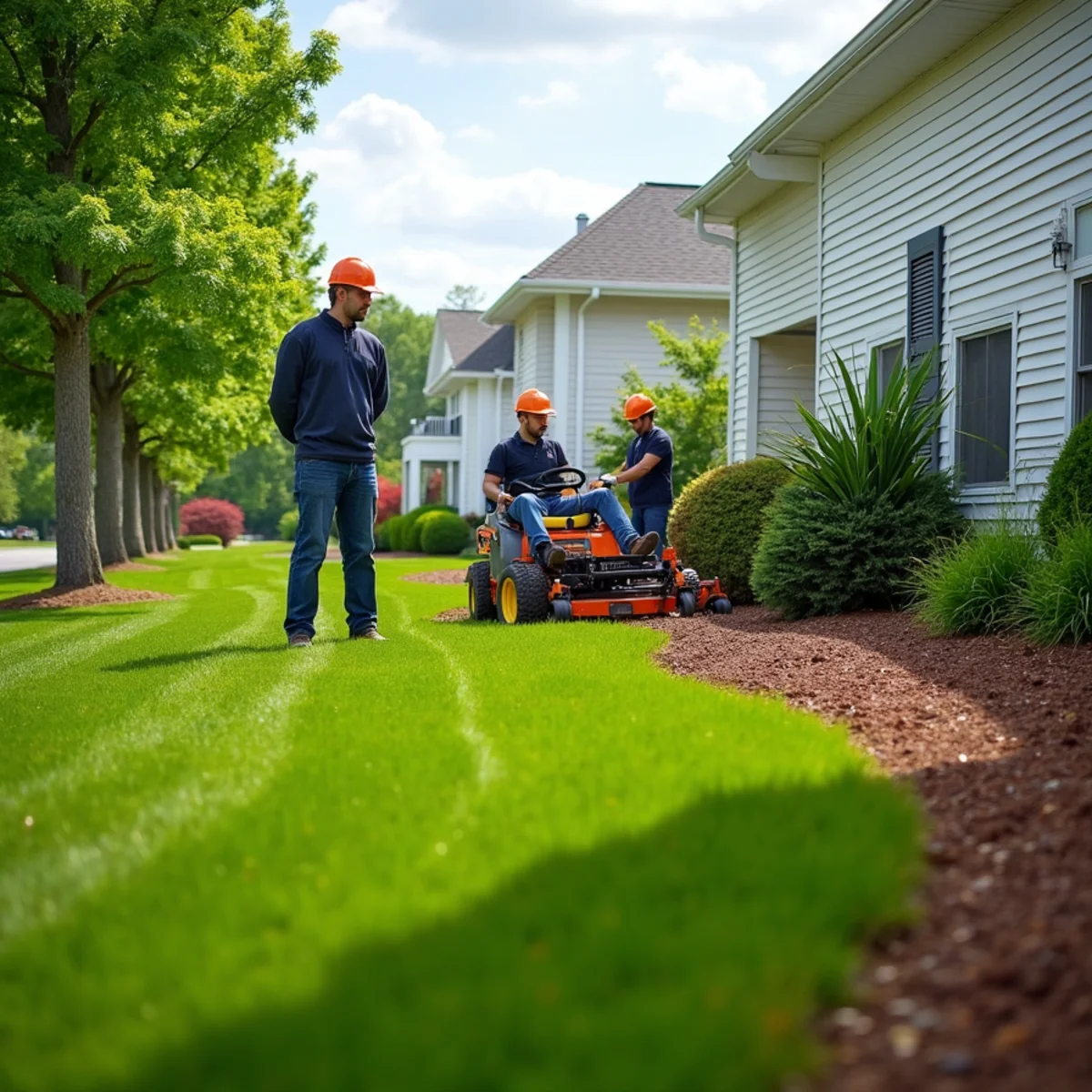
- Final mowing at the right height — lower the mowing height gradually over the last few cuts of the season rather than scalping it in one pass, which stresses the lawn heading into winter.
- Core aeration — relieves soil compaction from a summer of use, especially valuable in Massachusetts' dense glacial till soil, and helps fall fertilizer and any overseeding reach the root zone.
- Fall fertilization — a fall feeding builds root strength and stored energy for spring green-up; this is arguably the most important feeding of the year for cool-season lawns.
- Overseeding thin or bare patches — if you're within the ideal window (roughly late August through late September), this is the last realistic chance before spring to fill in thin areas.
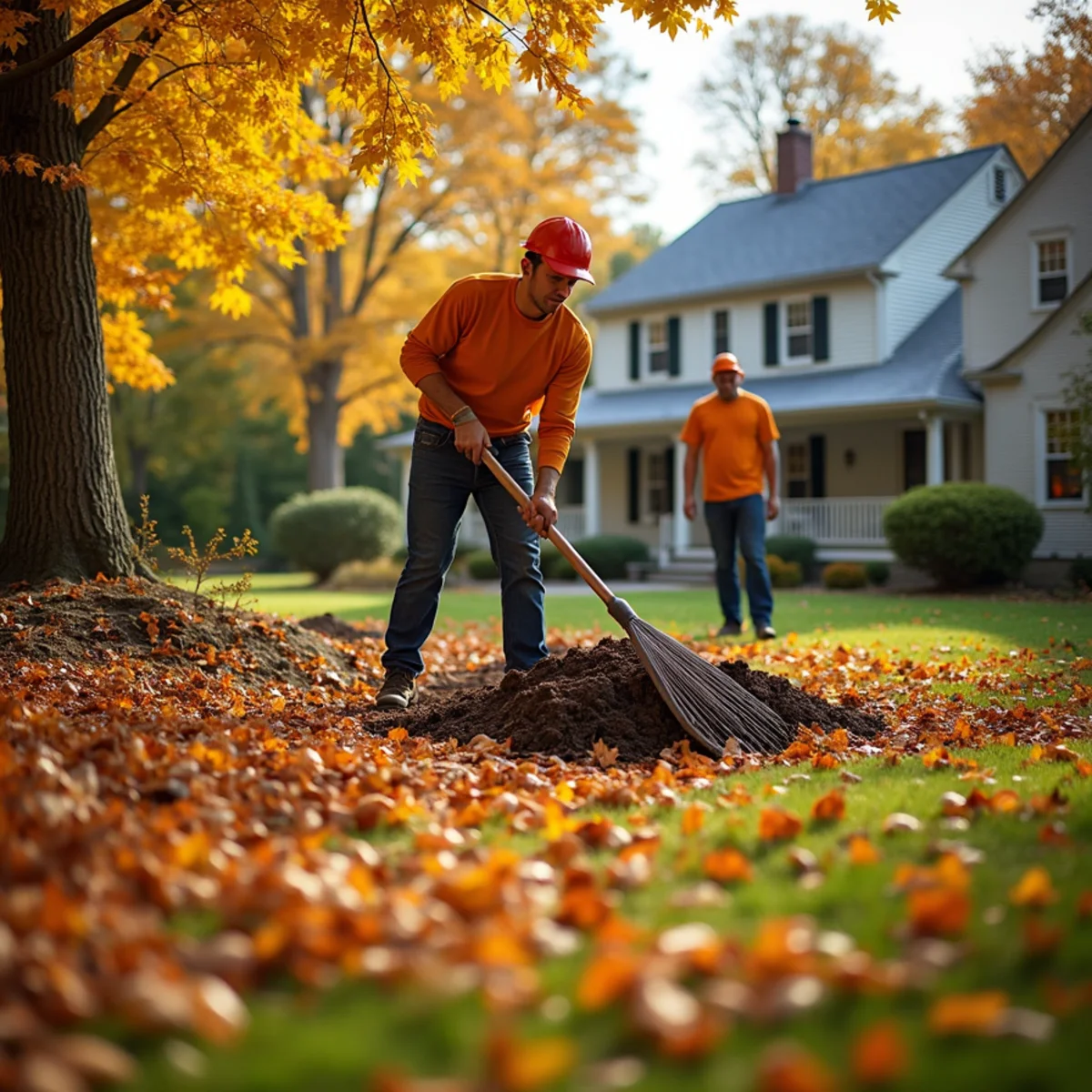
- Leaf management — regular removal or mulching keeps a thick leaf layer from smothering grass and creating fungal issues under wet, matted leaves over winter.
Garden Bed and Plant Care
- Cut back perennials that don't provide winter interest or habitat value, leaving structural ones (ornamental grasses, seed heads) if you want winter texture.
- Apply a fresh layer of mulch to insulate root zones and moderate soil temperature swings through freeze-thaw cycles.
- Water evergreens and newly planted trees or shrubs deeply before the ground freezes — going into winter with dry roots increases winter injury risk.
- Wrap or shield vulnerable evergreens and young trees from salt spray if they're near a driveway, walkway, or street that gets treated.
- Divide and transplant overcrowded perennials while the ground is still workable.
Hardscape Winterization
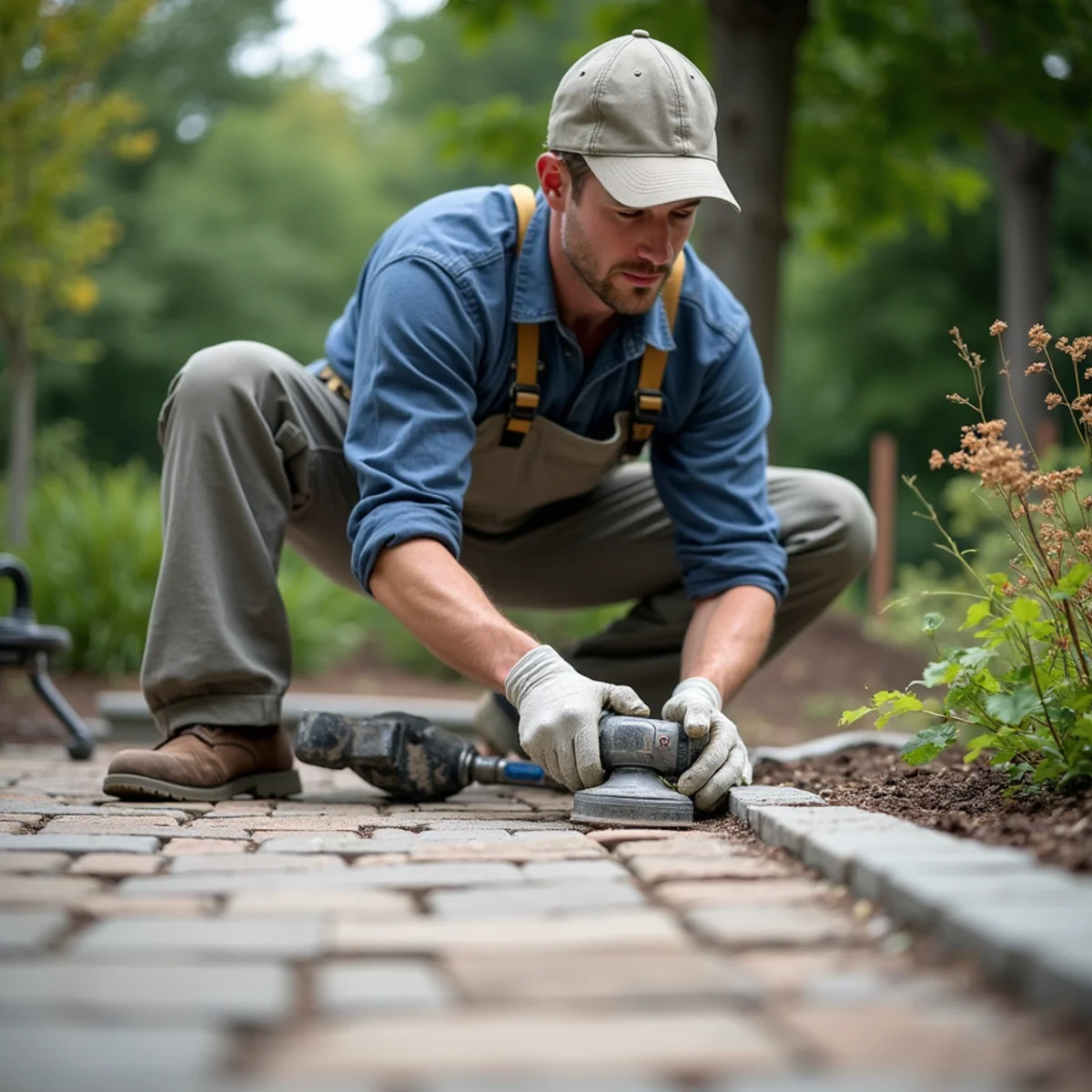
Patios, walkways, and retaining walls benefit from a fall check before winter adds stress. Clear debris from paver joints and check for any early signs of settling or gaps that widened over the summer — addressing minor issues in fall is easier and cheaper than after a winter of freeze-thaw makes them worse. Clean and inspect any masonry for cracks that could let water in and freeze, and make sure drainage around patios and walls is clear so water isn't pooling against hardscape right before the first hard freeze.
A step people forget
Shut off and drain any exterior irrigation lines and hose bibs before the first hard freeze. Water left in a line can freeze, expand, and crack pipe or fittings — a preventable repair that's far more expensive than the ten minutes it takes to winterize the system properly.
Drainage and Gutter Prep
Clear gutters and downspouts of leaves and debris so they can actually do their job during heavy fall and winter storms, and confirm downspout extensions are directing water away from the foundation and any low spots in the yard rather than dumping it in one concentrated area. This is also a good time to check any French drains or catch basins on the property for debris buildup before winter precipitation puts them to work.
Timing It Right
- Early fall (Sept): aeration, overseeding, fall fertilization, and final lawn establishment work.
- Mid fall (Oct): perennial cutback, mulching, hardscape inspection, gutter clearing.
- Late fall (Nov): final leaf cleanup, irrigation winterization, evergreen watering before the ground freezes, and any last hardscape or drainage checks.
A yard that goes into winter clean, fed, and properly drained comes out of it needing a fraction of the spring recovery work.
Why This Matters More in Wellesley’s Established Landscapes
On the mature, established properties common around Wellesley — many with significant tree canopy near Fuller Brook Park or Lake Waban — fall cleanup is a genuinely bigger job than in a newer subdivision with young trees, simply because of leaf volume and the more extensive garden beds typical of older estate landscaping. Getting ahead of it in September and October, rather than trying to handle it all in one November weekend, makes the whole process far more manageable.
A Mistake We See Every November
The most common fall cleanup mistake isn't skipping a task — it's sequencing them wrong. Homeowners frequently mulch garden beds before finishing perennial cutback, which means redoing the mulch layer once the cutback debris is cleared, or they overseed a lawn too late in the fall seeding window and then mow it too short before the new grass has enough root development to handle it. We sequence our fall visits so aeration and overseeding happen while the ideal late-August-to-late-September window is still open, cutback and mulching follow once the bulk of leaf drop has passed, and irrigation shutdown happens last, right before the first hard freeze — not weeks early "just to be safe," since a shutdown too early wastes the last useful weeks of watering for new plantings.
Handing Off From Cleanup to Snow Season
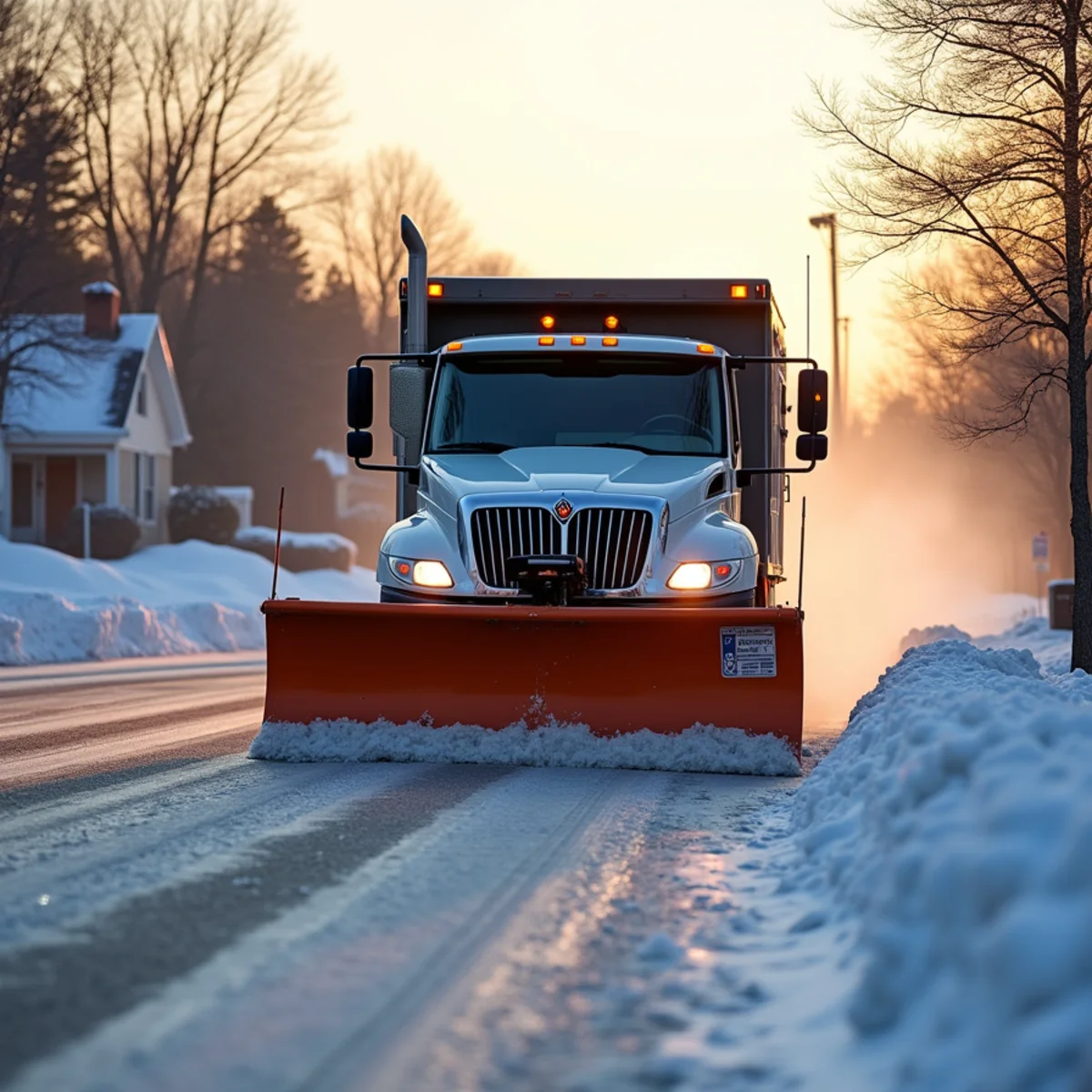
Fall cleanup and winter snow and ice management are really two ends of the same seasonal handoff — the drainage checks, gutter clearing, and hardscape inspection done during cleanup directly affect how a property handles winter storms. Properties already on our snow removal and ice management service benefit from that continuity, since the same crew that clears leaves and checks drainage in October is often the one plowing the same driveway and walkways in January, and already knows where the property's trouble spots are.
Getting It Done Before the First Freeze
Fall cleanup and winterization is one of those projects where timing really matters — waiting too long into November narrows your options for aeration, overseeding, and irrigation winterization before the ground hardens. We schedule this work across our service area starting in early September to make sure every property gets attention within its ideal window.
Schedule your fall cleanup and winterization now to get your yard, lawn, and hardscape ready for winter on the right timeline.