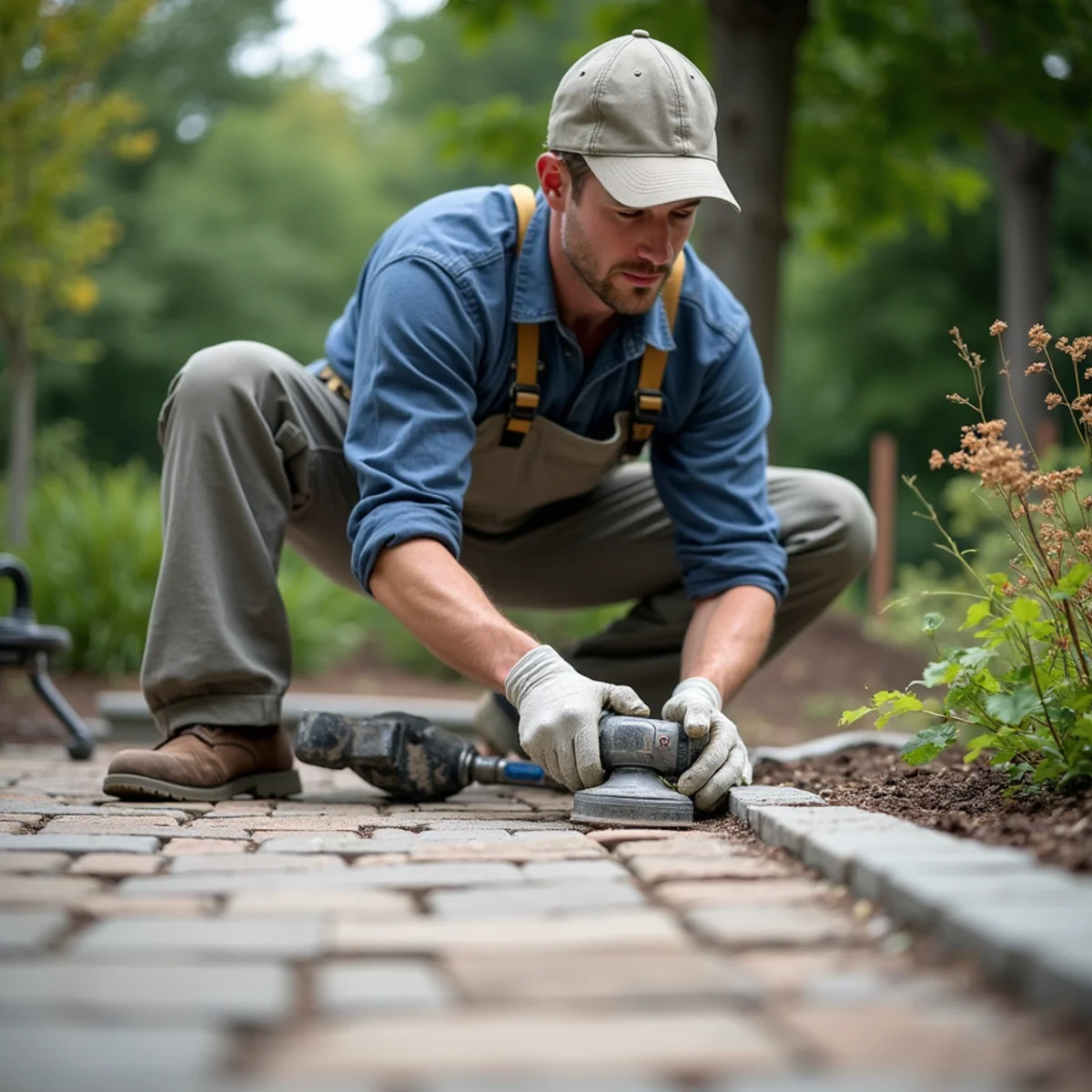
Wetland Setback Rules in MA: What They Mean for Your Patio Project
What Massachusetts wetland setback rules mean in practice for a patio, wall, or drainage project close to a wetland or waterway.
By the Inova Outdoor Living Experts team
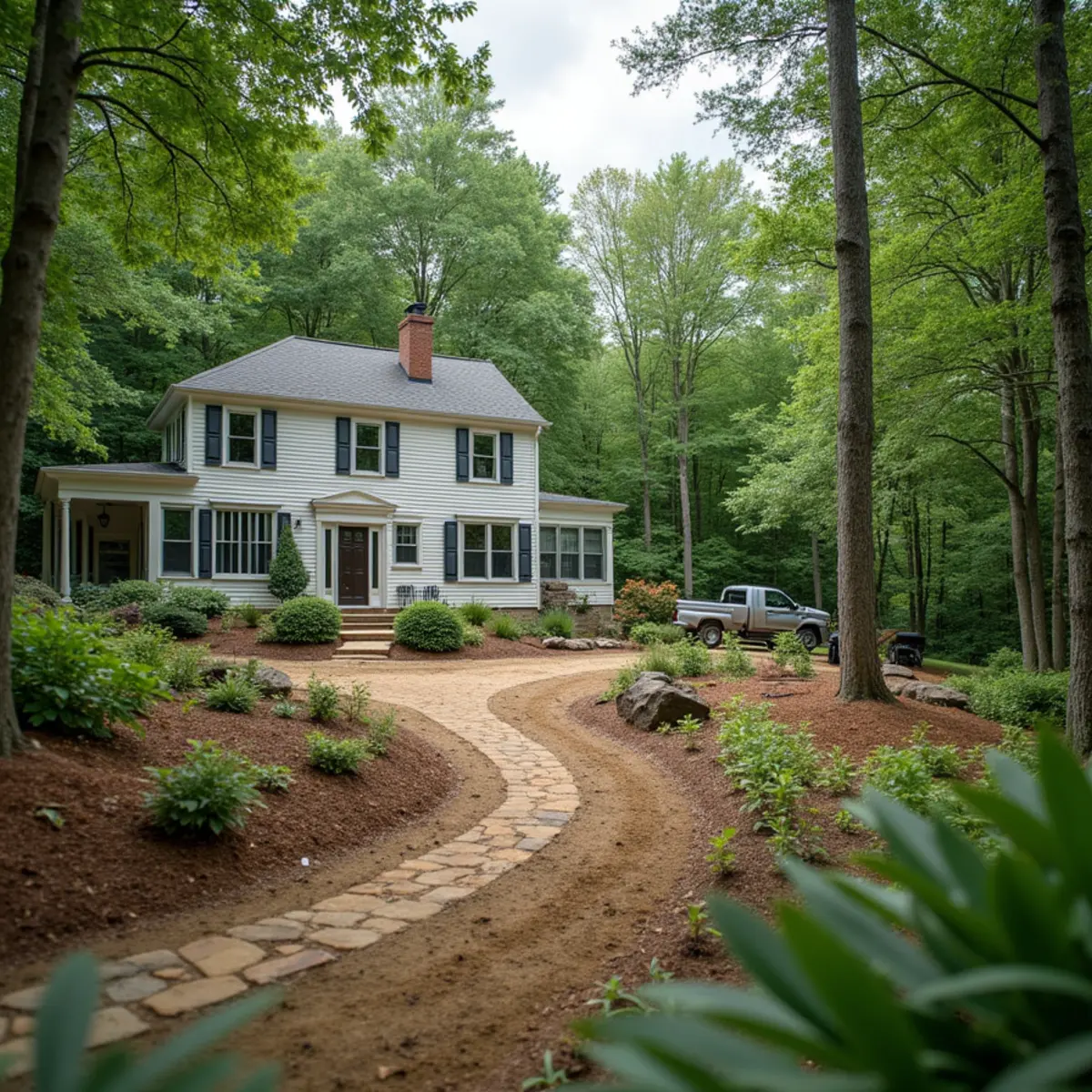
Key takeaways
- Massachusetts Conservation Commissions review work within 100 feet of a wetland or 200 feet of a river, stream, or vernal pool.
- Excavation, grading, drainage work, and adding impervious surface near a buffer zone typically trigger review.
- Confirming buffer zone status before finalizing a patio design avoids costly redesigns after construction has started.
- Designing hardscape to sit outside the buffer, with the buffer as a naturalized planted edge, often moves through review faster.
If your property sits anywhere near a pond, stream, or low wet area, you've likely run into the phrase wetland setback rules Massachusetts patio projects have to navigate before a shovel goes in the ground. This surprises a lot of homeowners, especially on lots that don't look particularly "wet" at first glance — the trigger zone is often wider than people expect.
We build patios and manage drainage projects through our drainage solutions and paver patios work across towns with significant wetland-adjacent property, and getting this right from the start saves real time and money compared to discovering a permit issue mid-project.
Here's what the rule actually covers, and how it typically plays out for a residential hardscape project.
The Basic Rule
Under the Massachusetts Wetlands Protection Act, local Conservation Commissions review work proposed within 100 feet of a wetland resource area, or within 200 feet of a river, perennial stream, or certain other water bodies. Vernal pools — seasonal wetlands that dry up part of the year but serve as critical breeding habitat — carry their own protected status and buffer consideration even though they may look like an unremarkable low spot in the yard most of the summer. The specific distance and how strictly it's applied is ultimately the local Conservation Commission's call, since each town administers its own bylaw on top of the state framework.
What Counts as Triggering Work
- Excavation for a new patio, wall, or foundation.
- Grading or regrading that changes how water moves across the site.
- Installing drainage infrastructure like French drains, dry wells, or catch basins.
- Removing significant vegetation, particularly along a wetland edge.
- Adding impervious surface (patios, driveways) that changes stormwater runoff patterns.
Simple, small-scale work — a modest garden bed, for example — may not require review, but anything involving excavation or grading near the buffer zone almost always does, and it's the kind of thing worth confirming rather than assuming.
What the Review Process Actually Looks Like
- Determine whether the property is within a buffer zone — often done with the town's GIS wetlands map or a site visit from the Conservation Commission agent.
- File the appropriate application — depending on scope, this may be a simpler Request for Determination of Applicability or a full Notice of Intent.
- Commission review, often including a site visit — the commission (or its agent) assesses the proposed work's impact on the wetland resource.
- Conditions or an Order of Conditions issued — approval frequently comes with specific requirements: erosion control measures during construction, limits on impervious surface, or restoration requirements for any disturbed buffer area.
- Construction under those conditions — work proceeds according to the approved plan, sometimes with a required inspection at completion.
A step that saves real time
Order a wetlands delineation or at least a preliminary site check before finalizing your patio design, not after. Redesigning a patio layout to fit outside a buffer zone — or to meet the commission's conditions — is far easier on paper than after excavation has already started.
Wayland: A Town Where This Comes Up Constantly
Wayland is one of the towns where we navigate wetland review most often, given how many properties sit near Lake Cochituate, Dudley Pond, or smaller wetland features scattered across the town. Lake-adjacent lots in particular tend to combine wetland setback considerations with drainage and shoreline retaining questions, since managing water at the shoreline edge and satisfying buffer zone requirements are really the same design problem approached from two angles.
Designing Around the Buffer Instead of Against It
In many cases, the most efficient path isn't fighting for approval to build right up to a buffer line — it's designing the patio or hardscape to sit comfortably outside it from the start, using the buffer zone itself as a naturalized, planted transition rather than a construction obstacle. This approach tends to move through review faster and often results in a better-looking final property anyway, since a planted buffer edge reads more intentional than hardscape crowding right up against a wetland line.
The projects that get delayed are almost never the ones near a wetland — they're the ones that didn't check the buffer zone before finalizing the design.
What an Order of Conditions Actually Requires On-Site
When a project moves forward with an Order of Conditions, the paperwork translates into specific things a crew has to do differently on-site — not just a design constraint on paper. That typically means installing erosion control (silt fence or straw wattles) along the buffer edge before any excavation starts, keeping equipment and material staging outside a marked limit-of-work line, and sometimes scheduling a Conservation Commission agent site visit at a defined project milestone before work can continue to the next phase. We build these requirements into the construction schedule itself, since a crew that treats erosion control as an afterthought risks a stop-work order that costs far more time than the control measures themselves.
How We Handle Wetland-Adjacent Projects
We check wetland proximity as a standard part of the initial site visit for any property where it's a realistic possibility, and we design with likely buffer requirements in mind before presenting a layout. When a project does need Conservation Commission review, we can help prepare the plans and documentation the application typically requires, working alongside the town's process rather than treating it as a separate hurdle after design is complete.
Planning a patio or drainage project near a wetland, stream, or pond? Get a site assessment that checks buffer zone requirements before you finalize a design.