Snow-Load Fence Damage: What Massachusetts Homeowners Should Do First
A step-by-step first-response guide for Massachusetts homeowners dealing with a fence damaged by snow load, ice, or plow impact.
By the Inova Outdoor Living Experts team
Key takeaways
- Most winter fence damage comes from lateral pressure of drifted or plowed snow against panels, not weight on top.
- Frozen ground transfers load straight to post footings, which is why post damage is more common than it looks.
- A shifted or cracked post needs to be reset or replaced — re-attaching panels to it without fixing the post just delays a repeat failure.
- Get more than one damaged post, gate hardware, or property-line-adjacent damage looked at professionally rather than DIY.
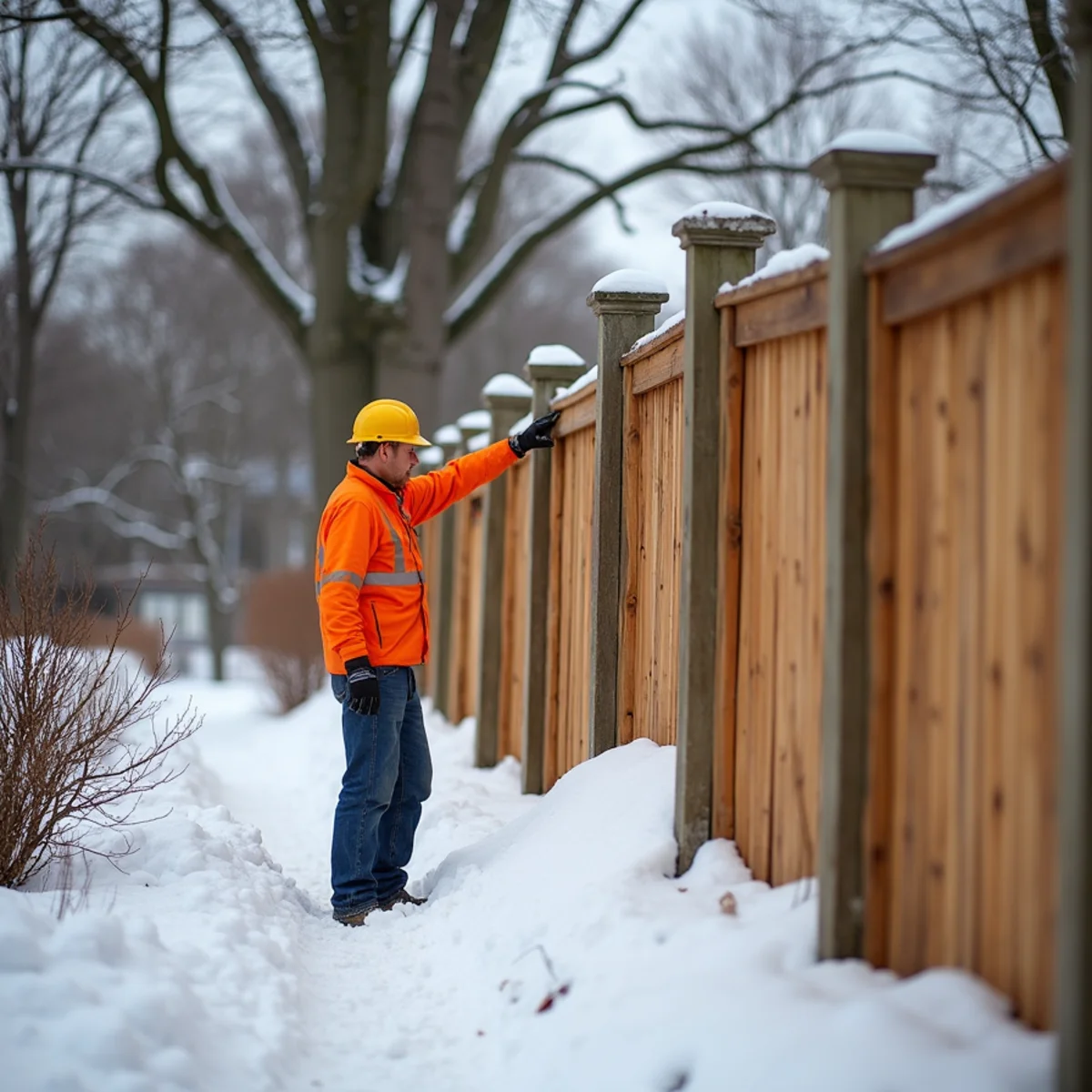
Heavy, wet New England snow does real damage to fences most winters, whether it's drifted snow piling against panels, ice-laden branches falling across a fence line, or a plow catching a corner post. If you're dealing with snow damaged fence repair MA homeowners deal with every spring thaw, the first question is simple: what needs to happen right now, versus what can wait for a proper repair.
Here's a practical first-response checklist, followed by how to think through repair versus replacement once the snow is gone and you can actually see the damage.
We handle a steady stream of this work every spring as part of our fence installation services, and the same handful of failure patterns show up again and again.
First: Check for Immediate Hazards
- Leaning sections near a driveway or walkway — a fence that could fall on someone or a vehicle should be temporarily braced or roped off until repaired.
- Sharp broken pickets or panel edges — especially relevant if there are kids or pets using the yard.
- Downed sections near a property line dispute or a shared fence — worth documenting with photos before anything is moved, in case of a conversation with a neighbor or insurance.
- Posts that have visibly shifted at the base, even if the panels above still look intact — this is often the more serious damage.
How Snow and Ice Actually Damage a Fence
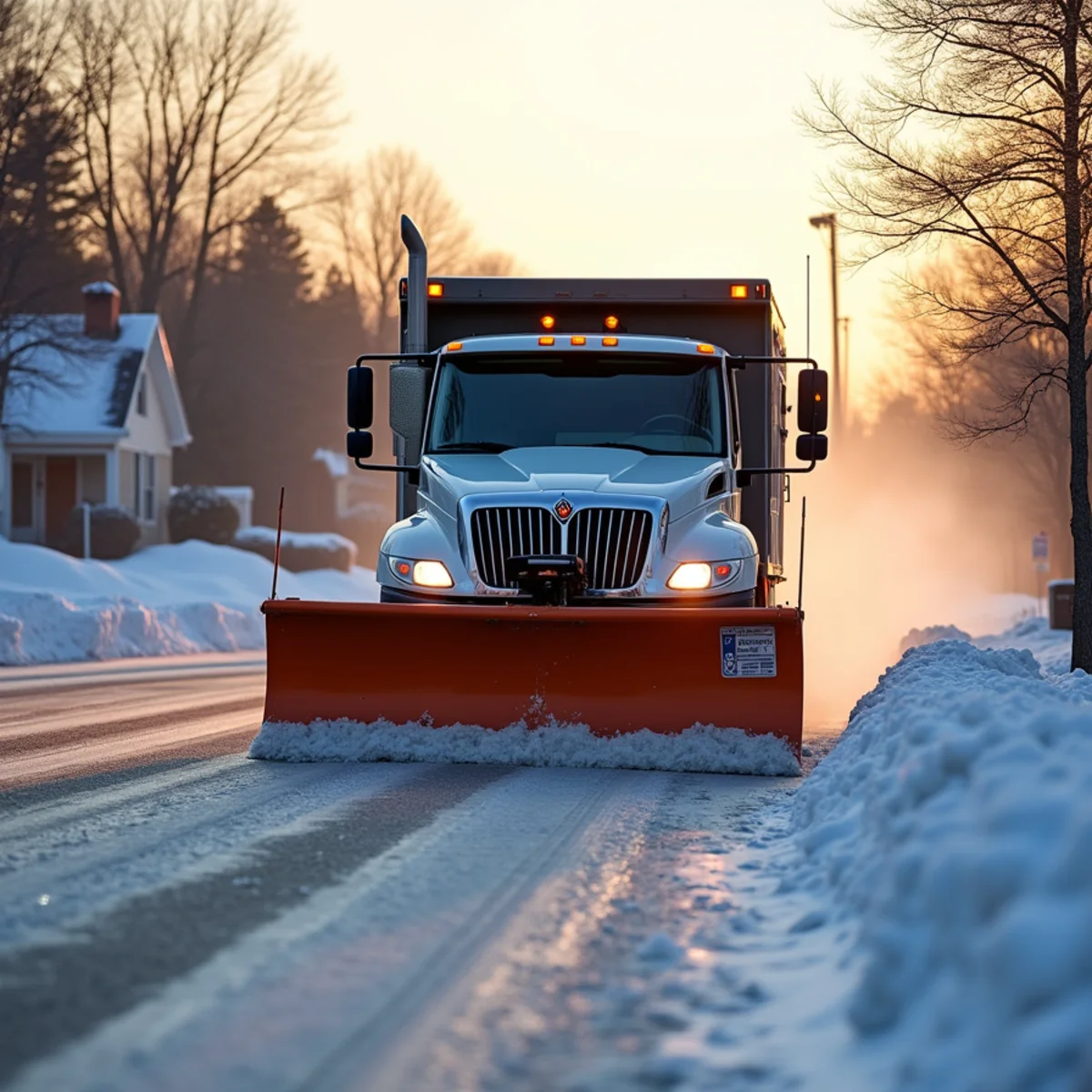
Most snow-related fence failure isn't from the weight of snow sitting on top of a fence — it's from drifted or plowed snow piling against the side of panels, which puts lateral pressure a fence isn't designed to resist. Combine that with ground that's frozen solid, and a post that would normally flex slightly under pressure instead transfers the full load straight to its footing, which is where cracks and shifts happen. Ice storms add weight from tree limbs that come down across a fence line, and plow operators clearing driveways or shared access ways occasionally clip a corner or gate post directly — a common issue on properties serviced by a snow removal and ice management contractor working close to a fence line in low visibility.
Repair vs. Replace: How to Tell
A single damaged panel or a few broken pickets on an otherwise sound fence is almost always a straightforward repair — replace the damaged sections, and the rest of the fence is unaffected. The harder call is post damage: a post that has cracked at the base, pulled out of its concrete footing, or shifted noticeably usually needs to be reset or replaced, because a compromised post will keep moving under the next load even if the panels attached to it look fine today.
A mistake worth avoiding
Don't just re-nail or re-screw panels back onto a post that has shifted at the base without addressing the post itself. It looks fixed for a season, but a loose or cracked footing will keep working, and the same section tends to fail again the following winter — often worse.
Holliston’s Fence-Heavy Housing Stock
We do a high volume of fence work in Holliston, where family colonials with fenced yards for kids and pets are the norm rather than the exception. That volume means we've seen essentially every failure pattern winter can throw at a fence line — which is useful, because it means most repairs we're called for are things we can diagnose quickly on-site rather than guessing.
When to Call Before You DIY
- If more than one post is affected, since post spacing and gate alignment can be thrown off by even one bad post.
- If the fence is on or near a property line, to avoid a repair that inadvertently shifts the line.
- If you're not sure whether ground is still frozen enough to safely reset a post footing.
- If the damaged section includes a gate, since gate hardware alignment is easy to get wrong without experience.
Simple picket or panel swaps on a fence you installed yourself are reasonable to tackle alone if you're handy. Anything involving posts, footings, or more than a section or two is worth a professional look, both for the repair quality and so you don't spend a weekend on a fix that needs to be redone.
Most fence damage we see in spring isn't from the snow itself — it's from ground that was too frozen to let a post move the way it's supposed to.
How a Proper Post Reset Actually Works
Resetting a compromised post isn't just pulling it and re-pouring concrete around the same spot. We excavate around the post to check whether the old concrete footing cracked or simply loosened in the surrounding soil, remove any failed concrete rather than pouring new footing on top of broken pieces, and confirm the new footing goes below the frost line so next winter's freeze-thaw cycle doesn't repeat the same failure. On a wood fence, we also check the post itself for rot at the ground line while it's exposed, since a post that cracked partly because it was already soft from moisture is a different repair than one that failed purely from lateral load. Skipping that inspection step is how a "fixed" post ends up needing the same repair again in two years.
Getting It Fixed Before It Gets Worse
Waiting through a whole extra season on a leaning or cracked post rarely helps — the next winter's freeze-thaw cycles tend to finish the job a first storm started. We can usually get out for an assessment within a few days and give you a straightforward repair-or-replace recommendation with a written estimate on the spot.
Get your snow-damaged fence assessed and repaired before the next season adds more stress to a compromised post.